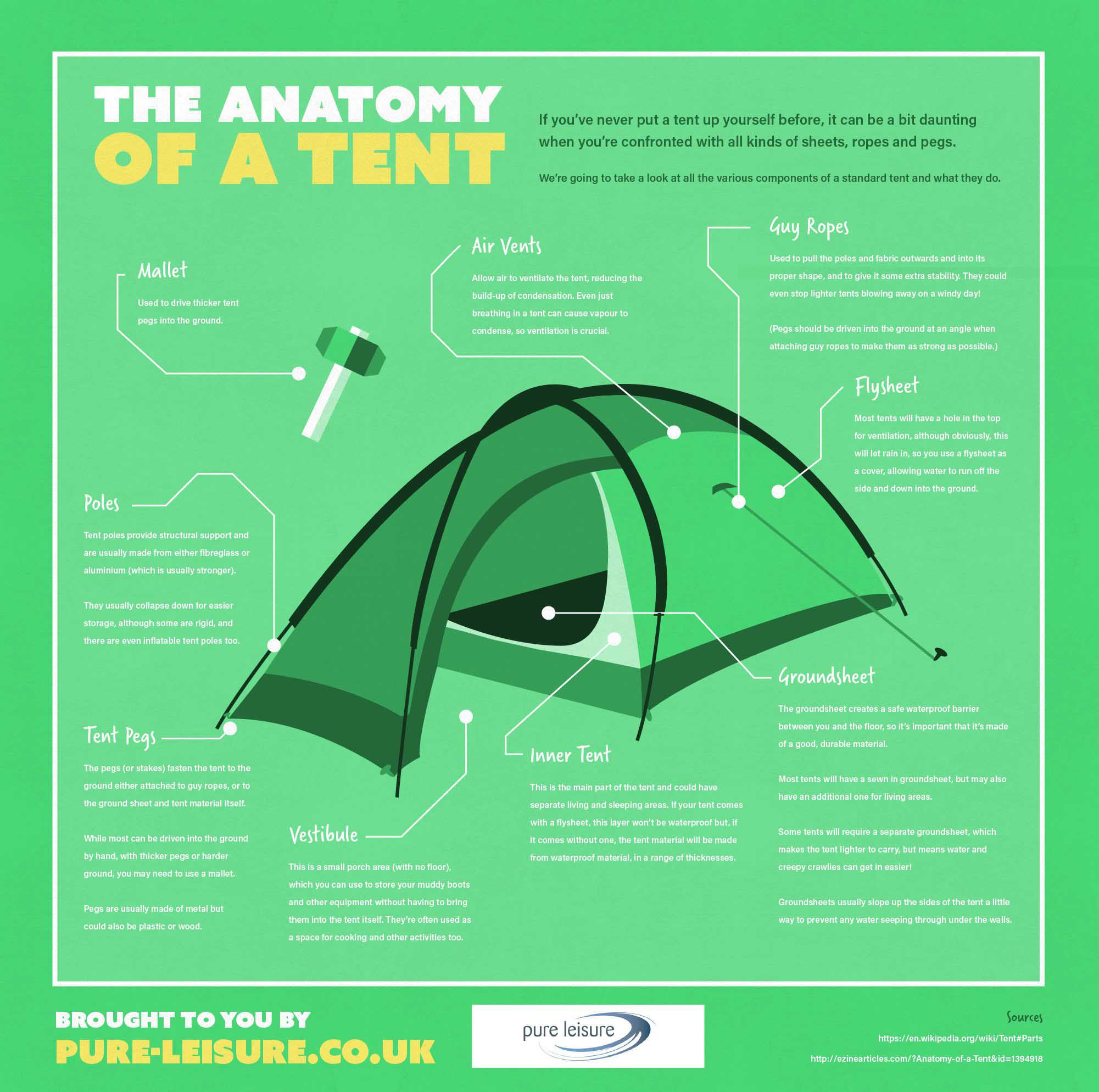
The very first step is to outline the components on the ground according to your very carefully in-depth style. This likewise allows you to test the fit of your tent textile.
You will require PVC or metal poles/tubing together with ideal ports and installations. Depending on the expected climate condition, you might require to add specialized secures that grasp into snow, sand and/or frozen ground.
Products
The procedure of constructing an outdoor tents structure yourself offers numerous advantages over getting a pre-made framework from the shop. It's an excellent means to conserve cash, and it can give an one-of-a-kind experience and a feeling of success that just acquiring a pre-made tent can not use.
The primary step is to collect your products. This consists of outlining and preparing the parts of your framework on the ground according to your meticulously intended layout. This action additionally entails gathering any necessary tools and preparing a clean workspace.
As soon as every one of your framework areas are set out, you'll require to cut your pipes or poles to the appropriate lengths. Use a saw or PVC pipe cutter to guarantee that all of your pieces are correctly fit. If you're utilizing steel poles, it might deserve your while to go to a location that offers carpentry supplies and ask an agent for assistance in making the most effective cuts.
Preparation
Attaining a professional-grade canvas tent calls for mindful preparation, supply monitoring, and thorough building. Prior to you start constructing the framework, carefully step and mark the lengths of each component. Use a saw (for metal poles) or PVC pipeline cutter (for PVC) to reduce the pieces to their correct lengths.
As soon as the structure is finished, it's time to slip on the canvas camping tent. This can be done one of two means: Center the tent over the ridge, or pull it sideways to secure it along the structure.
For added stability, install a sod cloth and fly cover. The former creates a ground seal for draft prevention and water management, while the latter safeguards against destructive UV radiation by taking in sunlight. Both lower functional concern and prolong property long life.
Assembly
As soon as you have actually obtained your products and a flat place to uv protection function, it's time to reach assembly. It's best to lay every little thing out first so you can see where each piece goes. It's also handy to use a tarp or ground cloth to maintain your job tidy and off the dust up until your camping tent is up.
Depending upon your structure material, cut the pipes or poles to length with either a hacksaw or a pipe cutter. Then, using connectors and fittings, put together the frame section by section. Make sure to mark and indicate the ridge joints.
Now it's time to slide the canvas outdoor tents onto your new wall surface outdoor tents framework. Some individuals choose to fold their canvas tent and slide it on, while others like to take a few minutes to center the tent directly over the frame and then glide it on. Either way, it is essential to secure the canvas tent with guy lines.
Last Examination
The last assessment is among the most difficult parts of closeout, but a general service provider can do a whole lot to make this a smooth procedure. Comprehensive documentation and a clear understanding of the inspector's needs are crucial elements to success.
Begin by laying out the structure sections on the ground according to your cut checklist (provided with every Beckel wall surface outdoor tents package). Make certain to mark & tag ridge & eave sizes and any type of extra support poles as required.
Take a look at the entire structure and make any modifications essential. For example, in loosened sand or snow, make use of a set of "snow & sand risks" that are bigger & longer to grip right into the ground far better than basic plastic fixes. Similarly, utilize cross-braces on any kind of areas where you can see that the camping tent covering will certainly place excessive pressure. This will ensure that the framework is stable and able to take on weather and the weight of the textile covering.